Hepatitis B core-related antigen as a multifaceted biomarker in chronic hepatitis B: implications for immune activity and hepatocellular carcinoma prediction
-
Kwon Yong Tak, Seok Hwan Kim, Myeong Jun Song

- Received December 9, 2025; Revised January 12, 2026; Accepted February 8, 2026;
- Abstract
-
- Background/Aims
- Hepatitis B core-related antigen (HBcrAg) reflects both serum hepatitis B virus (HBV) DNA and intra-hepatic covalently closed circular DNA activity, offering potential advantages over conventional biomarkers in monitoring chronic hepatitis B (CHB). This study evaluated the clinical utility of HBcrAg across immune phases and its prognostic value for hepatocellular carcinoma (HCC).
- Methods
- In this retrospective study, 281 CHB patients from Daejeon St. Mary’s Hospital (September 2022–July 2024) were classified into HBV phases. HBcrAg was quantified using the ultrasensitive iTACT–HBcrAg assay. HBcrAg level was compared across HBV phases, HCC presence, and patient characteristics.
- Results
- HBcrAg levels varied significantly across immune phases, with an AUC of 0.97 for HBeAg(+) IA vs. IT, and 0.83 for HBeAg(−) IA vs. II. In HBeAg(−) IA, HBcrAg ≥ 3.8 LogU/mL was associated with higher HCC prevalence at AUC 0.69, while in HBeAg(+) IA, ≥ 4.9 LogU/mL was the optimal cut-off at AUC 0.71. In HBeAg(−) II, HBcrAg < 3.8 LogU/mL was linked to the absence of HCC. HBcrAg correlated inversely with age (r = −0.31, p < 0.0001), while the relationship with fibrosis severity differed according to HBeAg status. In multivariate analysis, HBcrAg remained independently associated with HCC (OR 1.64, p = 0.002). Residual HBcrAg positivity was observed in patients with HBsAg loss.
- Conclusions
- HBcrAg is a robust biomarker capturing both virologic and immunologic activity in CHB, with additional prognostic value for HCC, particularly in IA phases. It may complement or surpass conventional markers in phase classification and risk stratification.
- Graphical abstract
- Graphical abstract
- INTRODUCTION
- INTRODUCTION
Chronic hepatitis B (CHB), impacting more than 300 million individuals worldwide, continues to pose a major public health issue [1]. While treatment with nucleos(t)ide analogs (NAs) often leads to undetectable serum hepatitis B virus (HBV) DNA levels in most patients, resulting in favorable clinical outcomes [2,3], 15–40% of patients still progress to cirrhosis and/or hepatocellular carcinoma (HCC), despite undergoing therapy [4–6]. This is primarily because the virus cannot be completely eradicated, as covalently closed circular DNA (cccDNA) remains in the nuclei of infected liver cells, even after antiviral treatment [7,8]. In consequence, it is essential to track the quantity and transcriptional activity of cccDNA throughout the disease progression. However, traditional methods to detect cccDNA involve invasive procedures that are both time-consuming and challenging to implement in clinical environments [9].Traditionally, the monitoring of CHB depends on serum markers, such as HBV DNA, hepatitis B e-antigen (HBeAg), and hepatitis B surface antigen (HBsAg). However, recent research has identified hepatitis B core-related antigen (HBcrAg) as a promising noninvasive biomarker. HBcrAg is a composite marker comprising hepatitis B core antigen, HBeAg, and the precore protein p22cr, all of which originate from the precore/core region of the HBV genome [10]. Due to this composition, HBcrAg reflects both serum HBV DNA levels and the intrahepatic cccDNA pool and its transcriptional activity, hence providing a more comprehensive assessment of viral replication and immune status than traditional markers [11–14]. In consequence, HBcrAg serves as a practical surrogate marker that can reflect the natural history of CHB, without necessitating invasive liver biopsy. Clinically, HBcrAg levels have been demonstrated to correlate with various phases of CHB, including immune tolerance, immune activation, and HBeAg seroconversion [15–17]. In contrast with traditional markers, such as HBV DNA and HBsAg, which despite the persistence of intrahepatic cccDNA may become undetectable with long-term NA therapy, HBcrAg remains detectable, and continues to reflect underlying viral activity [18].CHB activity is a well-established contributor to the development of HCC across various clinical settings, including post-surgical recurrence [19,20]. Notably, patients treated with NA continue to face the risk of HCC occurrence, and in many instances, residual intrahepatic cccDNA is detected, indicating its potential involvement in hepatocarcinogenesis [21]. This residual activity often remains undetected by conventional biomarkers. However, the HBcrAg has demonstrated that elevated HBcrAg levels are linked with a heightened risk of HCC in both untreated and NA-treated patients [22–24].In this study, we used an ultrasensitive immunoassay (iTACT–HBcrAg) to detect HBcrAg [11], and employed electrochemiluminescence immunoassay (ECLIA) to measure HBsAg [25]. The application of iTACT–HBcrAg resulted in significantly enhanced sensitivity for HBcrAg detection (Methods), enabling precise quantification, even at low antigen concentrations. Based on these findings, we evaluated the clinical utility of the HBcrAg assay in comparison to conventional biomarkers, including HBsAg quantification, to monitor the natural history, classify the immune phase, and determine the presence of HCC in patients with CHB virus infection [26].
- METHODS
- METHODS
- Patient selection
- Patient selection
This retrospective study included 281 patients with chronic HBV infection treated at Daejeon St. Mary’s Hospital who had available serum samples for HBcrAg measurement between September 2022 and July 2024. The baseline (day 0) was defined as the date of HBcrAg testing. Demographic, clinical, and laboratory data were obtained from electronic medical records. All patients were under regular follow-up with an interval of approximately 6 months, during which period, routine laboratory tests, including alanine aminotransferase (ALT) (U/L), aspartate aminotransferase (U/L), total bilirubin (mg/dL), albumin (g/dL), and international normalized ratio were performed to assess liver function. Serum HBV markers, such as HBsAg (S/CO), HBsAb (IU/L), HBeAg (S/CO), HBeAb (S/CO), and HBV DNA (copies per mL), were measured to assess virological status. Information on antiviral treatment history was also collected. HCC was surveilled using ultrasonography, computed tomography (CT), or magnetic resonance imaging (MRI) at (6–12) month intervals. Diagnosis of HCC was made based on characteristic imaging findings or biopsy. HCC presence was defined as the presence of viable HCC at the time of HBcrAg testing. Patients with indeterminate HCC status, including those with a prior history of HCC treatment but without clear evidence of viable tumor at the time of HBcrAg measurement, were excluded from the analysis. This study was approved by the Institutional Review Board of Daejeon St. Mary’s Hospital, Catholic University of Korea (IRB No. DC25RISI0030), with waiver of the requirement for informed consent. The study was conducted in accordance with the Declaration of Helsinki.- Classification of HBV natural history
- Classification of HBV natural history
Patients were classified according to their HBsAg and HBeAg status at the time of HBcrAg measurement, based on the 2022 Korean Association for the Study of the Liver (KASL) guidelines [27]. Immune active (IA) phase was defined as elevated ALT levels above the upper normal limit (41 IU/L), with HBV DNA > 20,000 IU/mL (100,000 copies per mL) in HBeAg–positive individuals, and > 2,000 IU/mL (10,000 copies per mL) in HBeAg–negative individuals. Immune tolerant (IT) phase was defined as persistently normal ALT with very high HBV DNA levels (≥ 10,000,000 IU/mL) in HBeAg–positive patients. Immune inactive (II) phase was defined as normal ALT level with HBV DNA < 2,000 IU/mL (10,000 copies per mL) in HBeAg–negative patients. Patients receiving antiviral therapy were classified as IA, regardless of HBV DNA or ALT levels. Patients with undetectable serum HBsAg on qualitative assay at the time of HBcrAg measurement were classified as being in the HBsAg loss phase, regardless of their prior HBeAg status.- Measurement of HBcrAg and HBsAg
- Measurement of HBcrAg and HBsAg
The level of HBcrAg was measured from the patient’s serum sample using the iTACT–HBcrAg assay, which was developed based on the conventional reagent Lumipulse HBcrAg (Fujirebio Inc., Tokyo, Japan) [28], and achieves higher sensitivity than Lumipulse HBcrAg through changes in the measurement system and the optimization of sample pretreatment conditions and reagent composition. Briefly, the antibody-bound particles and ALP-labeled antibodies in the iTACT–HBcrAg assay reagent are also used as materials for the Lumipulse HBcrAg [11]. After manual pretreatment of the samples, iTACT HBcrAg assay was performed using Lumipulse Presto II. Specimen (150 μL) was mixed with 300 μL of pretreatment solution containing detergent mixture, and incubated for 5 minutes at 80°C with agitation. The pretreated samples (100 μL) were then incubated with 50 μL of the on-board pretreatment solution for 6.5 minutes at 37°C, and 50 μL of antibody-coated particle solution was dispensed, stirred, and incubated at 37°C for 8 minutes. After the antigen–antibody-coated particle complex was washed 3 times with the Lumipulse Presto washing buffer, 50 μL of an ALP-labeled antibody solution was dispensed, stirred, and incubated for 8 minutes at 37°C. After the complex was washed again, a chemiluminescent substrate was added, and the solution incubated for 4 minutes at 37°C. Finally, the amount of luminescence was measured at 463 nm. The lower limit of detection was 2.1 log U/mL, allowing for highly sensitive quantification compared to the conventional Lumipulse assay, which has a cut-off of 3.0 log U/mL [29]. The upper limit of quantification for the iTACT–HBcrAg assay was 7.1 log U/mL. In this study, HBcrAg was measured using only iTACT–HBcrAg. The level of HBsAg was measured by ECLIA (Elecsys® HBsAg II; Roche-diagnostics, Mannheim, Germany; defined as Elecsys).- Statistical analysis
- Statistical analysis
Categorical data were compared using the chi-squared test. The Shapiro–Wilk test was applied to assess the distribution of continuous variables. Depending on normality, continuous variables with non-normal distribution were analyzed using the Mann–Whitney U test, while those with normal distribution were analyzed by Student’s t-test. Time-dependent receiver operating characteristic (ROC) curve analysis was conducted to assess the predictive performance of biomarkers for immune phase classification and HCC presence. For immune phase classification, area under the ROC curve (AUROC) comparisons were conducted using a one-vs.-the rest approach, and all results were visualized in a single multi-class ROC curve display. Optimal cut-off values were determined using the Youden index (sensitivity + specificity − 1). Multivariate logistic regression analysis was performed to evaluate the independent association between HBcrAg levels and HCC presence, adjusting for relevant clinical covariates. Multivariate linear regression analysis was conducted to determine whether the inverse correlation between age and HBcrAg levels persisted after adjustment for other clinical covariates. A two-tailed p value < 0.05 was considered statistically significant. All statistical analyses were performed using the Python packages scipy (v1.10.1), statsmodels (v0.14.1), and scikit-learn (v1.3.2) in Python (v3.8.20).
- RESULTS
- RESULTS
- Patient characteristics
- Patient characteristics
Table 1 summarizes the baseline characteristics of the study population. The median age was 60 years (range, 19–91 yr), with 47.7% (n = 134) under 60 years. Male patients accounted for 59.4% (n = 167) of the cohort. At the time of HBcrAg sampling, patients were categorized according to their HBeAg status and immune phase, as follows: HBeAg(+) IT (n = 3), HBeAg(+) IA (n = 112), HBeAg(−) II (n = 33), and HBeAg(−) IA (n = 115). In addition, 18 patients had achieved HBsAg loss, and were categorized separately.Most patients (n = 213, 75.6%) were on antiviral therapy, with tenofovir disoproxil fumarate (n = 89) and tenofovir alafenamide (n = 74) being the agents most commonly prescribed. Overall, most baseline demographic and laboratory variables were comparable between antiviral–naive and antiviral–treated patients, except for parameters directly influenced by antiviral therapy, such as natural history classification and HBsAg level. HBcrAg levels also differed according to antiviral treatment status, and liver cirrhosis (LC) was more prevalent in the treated group, consistent with cirrhosis being a major indication for antiviral therapy initiation. During the follow-up period (median: 7.2 mo), HBsAg loss occurred in 3 patients, and HBeAg loss in 14 patients. At baseline, 33 patients had a history of HCC, while 2 additional cases developed HCC during follow-up.Liver disease severity showed that 111 patients (39.5%) had underlying LC, with a median (interquartile range) liver stiffness of 7.90 kPa (6.20–11.83 kPa). The HBcrAg level was 3.74 ± 1.38 LogU/mL, and the HBV DNA level was 3.14 ± 1.49 log10(copies per mL) in the NA-untreated group.- Comparative analysis of HBcrAg and HBsAg levels in the HBV natural history groups
- Comparative analysis of HBcrAg and HBsAg levels in the HBV natural history groups
A comparative analysis of HBcrAg levels across various HBV natural history groups revealed significant differences among most categories. As expected, HBcrAg levels were notably higher in HBeAg(+) patients, compared to HBeAg(−) patients, at 4.8 vs. 2.8 LogU/mL, p < 0.0001 (Fig. 1A). Overall, mean HBcrAg levels varied significantly between most natural history groups, suggesting that HBcrAg levels are associated with both virologic replication, and host immune activity (Fig. 1B). Exceptions were noted among immunologically quiescent groups, such as HBeAg(+) IT, HBeAg(−) II, and HBsAg loss, which did not exhibit significant differences from one another.In the AUROC analyses comparing each natural history group against all others, patients with HBeAg(+) IA were most distinctly identifiable, with an optimal HBcrAg threshold of 3.7 LogU/mL resulting in area under the curve (AUC) of 0.93 (Supplementary Fig. 1A). Furthermore, within-group comparisons revealed that HBcrAg effectively discriminated against immune activity status. Among HBeAg(+) patients, HBcrAg distinguished IA from IT with a cut-off of 3.3 LogU/mL (AUC 0.97), while among HBeAg(−) patients, HBcrAg distinguished IA from II with a cut-off of 2.6 LogU/mL (AUC of 0.83) (Fig. 1C). These findings collectively suggest that HBcrAg is a robust marker to distinguish immune phases of chronic HBV infection, and when interpreted alongside HBeAg status, is particularly informative.While HBcrAg and HBsAg levels exhibit a positive correlation (Fig. 1D), reflecting their shared origin from overlapping HBV transcripts, this correlation does not translate into equivalent clinical utility. Analysis of HBsAg levels alone did not reveal meaningful differentiation between the HBV natural history groups (Fig. 1E). No significant differences in HBsAg quantifications were detected between the groups (Supplementary Fig. 1B), and AUROC analysis was unable to identify any effective cut-off to distinguish between clinical phases or immune activation states (Fig. 1F). These findings suggest that although HBsAg and HBcrAg are both derived from overlapping HBV transcripts, HBcrAg titer provides superior discriminatory power compared to HBsAg titer to differentiate the natural history and immune phases of chronic HBV infection.- HBcrAg levels and HCC risk across different phases of CHB
- HBcrAg levels and HCC risk across different phases of CHB
Next, we evaluated the use of HBcrAg levels in predicting the presence of HCC across different natural history phases of CHB. In HBeAg(−) IA patients, the AUC was 0.69 with an optimal cut-off of 3.8 LogU/mL (Fig. 2A). Among 28 patients in the high HBcrAg group (≥ 3.8 LogU/mL), 11 (39.3%) had HCC, compared to 10 of 80 (12.5%) in the low group (chisquare, p = 0.0050) (Fig. 2B). Although the AUC indicates only fair discriminatory performance, the statistically significant difference suggests a potential association.Similarly, in HBeAg(+) IA patients, the AUC was 0.71, with an optimal cut-off of 4.9 LogU/mL (Fig. 2A). In this group, 7 of 58 patients (12.1%) in the high HBcrAg group (≥ 4.9 LogU/mL) had HCC, whereas in the low group, no HCC cases were observed (chi-square, p = 0.0203) (Fig. 2C).In HBeAg(−) II patients, HBcrAg also demonstrated the potential to identify HCC presence, with an AUC of 1.00 at the cut-off of 3.8 LogU/mL (Supplementary Fig. 2A). In this group, only one patient in the high HBcrAg group had HCC, while in the low group (n = 28), no HCC cases were observed, resulting in a statistically significant difference (chi-square, p = 0.0054) (Supplementary Fig. 2B). Given the limited sample size, these findings should be interpreted with caution, but they suggest that elevated HBcrAg levels may help identify HCC risk, even in patients classified as II.To further evaluate the independent predictive value of HBcrAg in the development of HCC, a multivariate logistic regression analysis was performed, adjusting for clinical covariates highly associated with HCC occurrence (age, HBV DNA, and LC). The analysis revealed that HBcrAg remained significantly associated with the presence of HCC (odds ratio [OR] 1.642, 95% confidence interval [CI] 1.198–2.251, p = 0.002), along with age (OR 1.066, 95% CI 1.024–1.109, p = 0.002) and LC (OR 5.125, 95% CI 2.149–12.222, p < 0.001), whereas HBV DNA level was not significantly associated with HCC presence (Table 2). These findings underscore that elevated HBcrAg levels are independently associated with HCC presence, even after adjusting for other relevant variables. Furthermore, in both HBeAg(+) and HBeAg(−) IA patients, HBsAg levels showed poor predictive performance for HCC (Supplementary Fig. 2C), highlighting the superior discriminative ability of HBcrAg to assess HCC risk.- Correlation of HBcrAg with age and viral markers in HBV infection
- Correlation of HBcrAg with age and viral markers in HBV infection
Given that HBcrAg serves as an indicator of immune activation, we conducted a further assessment of host-related factors influencing its levels. Notably, age demonstrated a significant inverse correlation with HBcrAg (Pearson r = −0.31, p < 0.0001) (Fig. 3A), indicating that older patients may exhibit diminished HBV-related immune activity. Importantly, when analyses were stratified by HBeAg serostatus, this inverse association persisted, with significant negative correlations observed in both HBeAg(−) patients (r = −0.172, p = 0.036; Supplementary Fig. 3A), and HBeAg(+) (r = −0.227, p = 0.015; Supplementary Fig. 3B). Consistently, younger patients (age < 60 yr) were significantly more likely to present with elevated HBcrAg levels (≥ median, 3.5 LogU/mL) compared to their older counterparts, at 64.0% vs. 39.8%, p = 0.0002 (Fig. 3B), thereby reinforcing the association between age and immune activity.The relationship between fibrosis severity and HBcrAg differed according to HBeAg status. Within the IA phase, where ongoing inflammation and fibrotic progression are expected, a significant positive correlation between HBcrAg levels and liver stiffness was observed in HBeAg(−) IA (r = 0.248, p = 0.011). In contrast, no significant association was found in HBeAg(+) IA (r = 0.059, p = 0.552) (Fig. 3C).Notably, patients in the HBeAg(−) IA were older than those in the HBeAg(+) IA (mean ± standard deviation: 58.8 ± 9.9 yr vs. 55.1 ± 12.1 yr; median: 61.0 yr vs. 56.0 yr) (Fig. 3D), consistent with a more advanced disease stage and prolonged host–virus interaction. These findings suggest that in HBeAg(−) IA, elevated HBcrAg may reflect persistent intrahepatic viral transcriptional activity despite relatively low serum HBV DNA levels, thereby contributing to ongoing necroinflammation and fibrosis progression.To determine independent factors associated with HBcrAg levels, we conducted multivariate linear regression analysis, including clinical and viral variables (Table 3). Age remained a significant negative correlate (coefficient −0.018 per year, p = 0.003), along with HBeAg positivity (coefficient −1.863, p < 0.001). HBsAg titer level was positively correlated (coefficient 5.89 × 10⁻⁵, p = 0.003), while sex, HBV DNA, PLT, ALT, and Fibrosis (kPa) were not independently associated. These results reinforce the interpretation that HBcrAg is primarily reflective of host immune status and viral replication, particularly in younger or HBeAg(+) individuals.
- DISCUSSION
- DISCUSSION
In this study, we comprehensively evaluated the clinical utility of HBcrAg in patients with CHB across different immune phases, focusing on its associations with age-related immune activity, phase classification, and HCC risk.Classification of immune phases in CHB is clinically important, because it directly informs treatment initiation, monitoring strategies, and prognosis. Recent studies have shown that even within the gray zone, patients, when further stratified according to the underlying immunological nature of CHB, exhibit different clinical outcomes [30,31], underscoring the need for more refined biomarkers. In this context, HBcrAg represents a valuable tool, as it reflects intrahepatic cccDNA activity and immune-mediated viral transcription, thereby providing the potential to distinguish CHB patients according to both viral activity and immune status.HBcrAg levels differed significantly among HBV immune phases, particularly in distinguishing IA from IT states. As expected, HBeAg(+) IA patients demonstrated the highest HBcrAg levels, consistent with active viral replication and immune recognition. In contrast, quiescent groups, such as HBeAg(+) IT, HBeAg(−) II, and those with HBsAg loss, exhibited comparably lower HBcrAg levels, suggesting limited immune stimulation. In particular, HBcrAg exhibited strong discriminatory performance (AUC = 0.97 for IA vs. IT in HBeAg(+) and AUC = 0.83 for IA vs. II in HBeAg(−)), whereas neither HBV DNA nor HBsAg titers showed meaningful differences across clinical phases (HBV DNA: AUC = 0.44 and 0.32; HBsAg: AUC = 0.45 and 0.54).These findings reinforce the value of HBcrAg as a surrogate marker of immunologic activity beyond currently used markers, such as viral load or HBsAg titer, both of which in our cohort failed to differentiate between immune phases. In support of this interpretation, emerging immunological evidence suggests that HBcrAg more closely reflects HBV–specific immune activity than conventional serological markers. In a detailed immunophenotyping study, HBV–specific T–cell responsiveness, including CD4+ T–cell activity, was more strongly associated with HBcrAg levels than with HBsAg levels, particularly in HBeAg–negative chronic infection [32]. Furthermore, single-cell transcriptomic analyses of paired liver and blood samples across HBV disease phases have revealed that immune-active states are characterized by expansion and the intrahepatic accumulation of exhausted CD8+ T cells, accompanied by intense immune–cell interactions and inflammatory signaling [33].Moreover, even within the HBsAg loss group, 7 out of 18 patients had HBcrAg levels above the lower detection limit (Supplementary Fig. 3B), indicating ongoing antigen production, despite surface antigen clearance. This subgroup warrants longitudinal follow-up in future studies to determine whether residual HBcrAg positivity in the HBsAg loss phase carries prognostic significance, in particular regarding HCC risk or viral reactivation.Beyond its role in immune phase classification, HBcrAg also has strong biological plausibility as a marker associated with HCC risk. Previous longitudinal studies have demonstrated that higher HBcrAg levels predict HCC development, even in patients receiving long-term effective antiviral therapy [22,34]. Mechanistically, HBcrAg is a robust predictor of HCC risk, because it directly reflects the transcriptional activity of intrahepatic cccDNA, which plays a central role in persistent HBV infection and hepatocarcinogenesis [13,35]. This transcriptional activity is primarily regulated by the HBx oncoprotein, which initiates cccDNA transcription by recruiting chromatin-modifying enzymes to the cccDNA minichromosome, leading to sustained production of HBcrAg components [36]. Persistent HBx activity further promotes hepatocarcinogenesis by inhibiting tumor suppressor pathways, such as p53, and activating oncogenic signaling pathways, including Wnt/β–catenin [37]. In consequence, ongoing cccDNA transcription and HBx-driven oncogenic signaling can promote chronic immune-mediated inflammation, sustained hepatocyte turnover, and genomic instability, thereby facilitating malignant transformation [22,37]. Emerging evidence also indicates that epigenetic regulation of cccDNA transcription contributes to continued viral antigen production and oncogenic signaling, even under effective antiviral therapy [38]. Taken together, elevated HBcrAg reflects a cumulative antigenic and oncogenic burden, rather than transient viral replication alone, providing a biological explanation for its superior predictive value for HCC risk, despite the effective suppression of serum HBV DNA.Accordingly, our data showed prognostic value of HBcrAg for HCC, particularly within IA phases. Among HBeAg(-) IA patients, a cut-off of 3.8 LogU/mL was associated with significantly higher HCC prevalence, while a similar association was observed in HBeAg(+) IA patients at a threshold of 4.9 LogU/mL. Although the overall HCC predictive performance was modest (AUCs 0.69 and 0.71 for HBeAg(−) IA and HBeAg(+) IA, respectively), interpretation alongside other biomarkers or clinical indicators suggests that HBcrAg can meaningfully contribute to risk stratification in CHB patients. Importantly, these HCC-associated cut-offs were higher than the immunologic activation thresholds previously used to distinguish IA from IT/II phases, indicating a biologically coherent gradient: HBcrAg first discriminates immune activation from quiescence, while within the IA state, further elevation reflects intensified viral transcription and immune-mediated inflammation, which ultimately lead to tumorigenesis [39–41]. This aspect is not adequately captured by conventional markers, such as HBsAg or HBV DNA.Interestingly, age emerged as a key host determinant of HBcrAg levels, showing a significant inverse correlation, consistent with previous reports [17,42]. Crucially, our stratified analysis confirmed that this inverse association persisted independently of HBeAg serostatus, indicating that the age-related decline in HBcrAg is not merely driven by the transition to the HBeAg–negative phase, but reflects a broader state of immunosenescence. Multiple mechanisms may underlie the observed decline in HBcrAg with aging, including the gradual depletion of cccDNA, epigenetic silencing of intrahepatic cccDNA, a relative increase in transcription from integrated HBV DNA, and prior or ongoing antiviral therapy exposure. Prior studies have demonstrated that HBV replication capacity decreases with age, partly due to the methylation-mediated silencing of cccDNA [43]. In addition, HBV–specific T–cell responses have been shown to correlate with both age and HBcrAg levels [32], suggesting that age-related decline in host immune responses itself could, in part, contribute to lower HBcrAg levels. Although further investigation is warranted, the inverse correlation between age and HBcrAg is likely to reflect a state of virological and immunological quiescence with diminished host responsiveness. Deviations from this typical pattern may indicate distinct biological subgroups with differing risks of disease progression and HCC development: younger individuals with low HBcrAg may enjoy a relatively favorable prognosis, whereas older individuals with high HBcrAg may bear a higher risk. Although HBcrAg titers generally decline with advancing age, this reduction should not be misinterpreted as evidence of functional cure, as older individuals remain at substantial risk of LC and HCC. In consequence, HBcrAg titers may represent a useful biomarker to identify patients at higher risk of disease progression, and to guide more personalized surveillance strategies. Supporting this interpretation, the relationship between HBcrAg and liver fibrosis differed according to HBeAg status. While no overall correlation was observed, a significant positive correlation between HBcrAg and liver stiffness was identified, specifically in HBeAg(−) IA patients. This suggests that in older HBeAg(−) patients, HBcrAg may more accurately reflect residual intrahepatic viral activity that contributes to ongoing fibrotic progression, a finding not observed in the HBeAg(+) IA group.The current study is constrained by several limitations, including its retrospective design, the small sample size, and variability in baseline characteristics such as the duration of antiviral therapy, which may restrict the generalizability of the findings. In addition, the relatively short follow-up period limits the capacity to assess long-term HCC risk. Future prospective studies are essential to validate the proposed cut-off values and evaluate their predictive utility over time. The HBcrAg assay used in this study exhibits enhanced sensitivity and an extended measurement range in comparison to conventional platforms, suggesting its potential clinical applicability. However, further research is necessary to confirm its cost-effectiveness, reproducibility, and generalizability across diverse patient populations.Collectively, these findings position HBcrAg as a comprehensive biomarker that reflects both virologic and immunologic activity, while also offering prognostic insights into the risk of HCC. Due to its stability and extensive dynamic range, HBcrAg has the potential to complement, or even surpass, traditional serological markers, such as HBsAg and HBV DNA, in specific clinical settings.
- KEY MESSAGE
- KEY MESSAGE
1. HBcrAg accurately distinguishes IA from IT or inactive phases in CHB, outperforming conventional markers, such as HBsAg and HBV DNA.2. Elevated HBcrAg levels are independently associated with HCC risk, particularly in IA phases, highlighting its prognostic potential beyond virologic monitoring.3. HBcrAg integrates virologic and immunologic information, serving as a comprehensive biomarker that may guide risk stratification and personalized surveillance strategies in CHB.
Supplementary Information
Supplementary Information
- Notes
- Notes
-
Acknowledgments The authors thank the Samkwang Medical Lab for their technical support in performing the HBcrAg and HBsAg titer assays, which facilitated the progress of this study. The Biospecimens and data used for this study were provided by the Biobank of Daejeon St. Mary’s hospital, the Catholic university of Korea (CMCDJ-BK-2024002).
- Notes
- Notes
-
CRedit authorship contributions Kwon Yong Tak: methodology, formal analysis, writing - original draft, writing - review & editing, visualization; Seok Hwan Kim: methodology, resources, data curation, supervision; Myeong Jun Song: methodology, resources, data curation, writing - review & editing, supervision
- Conflicts of Interest
- Conflicts of Interest
-
Conflicts of interest The authors disclose no conflicts.
- Notes
- Notes
-
Funding None
Figure 1
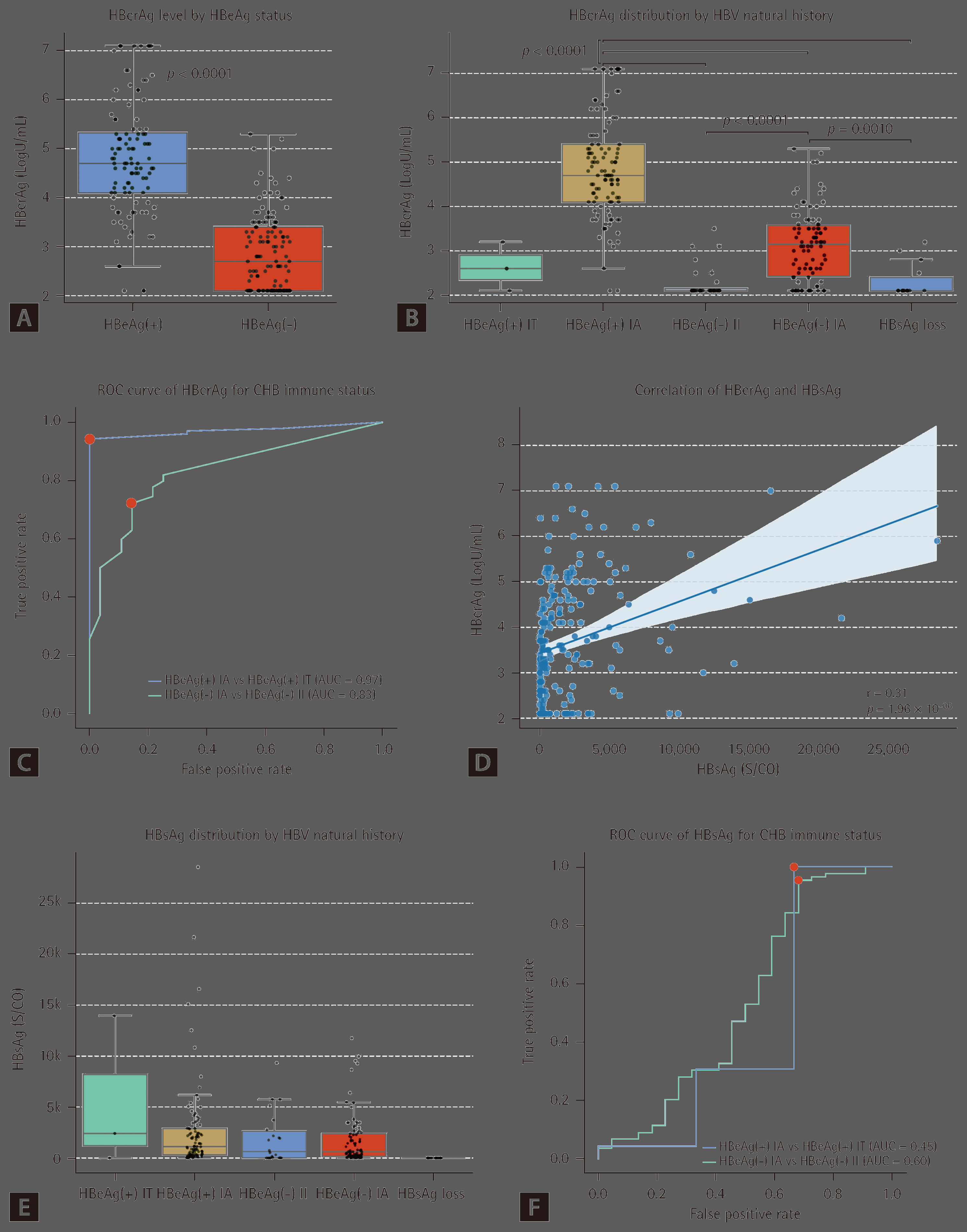
Figure 2
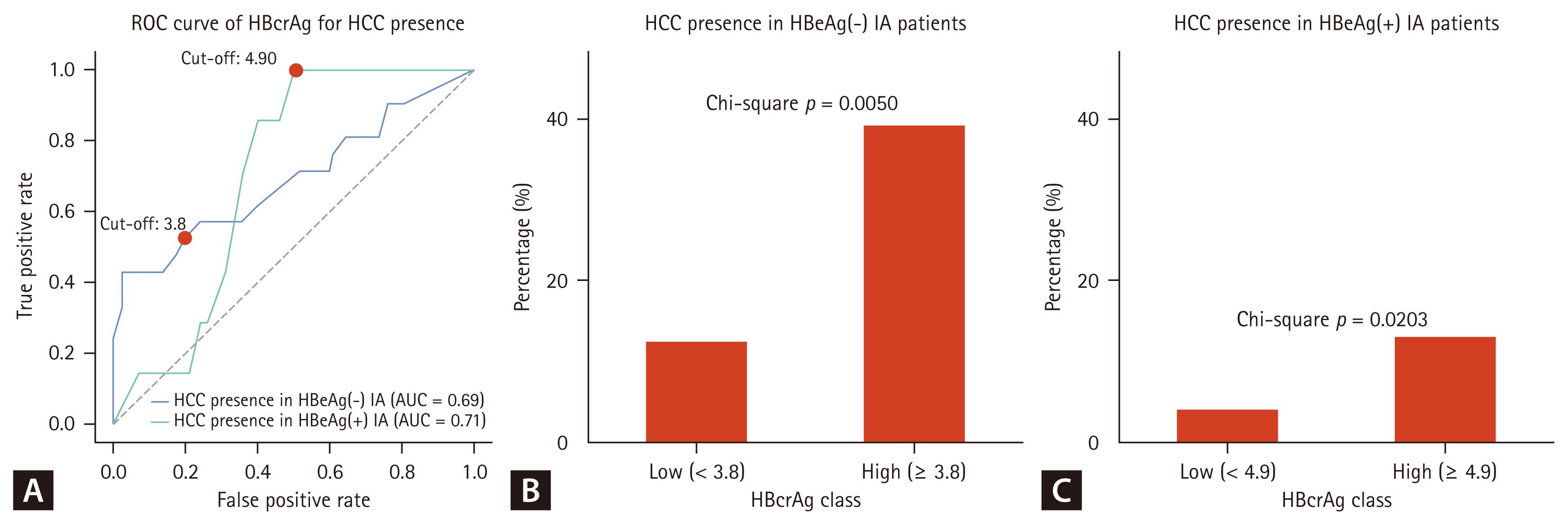
Figure 3
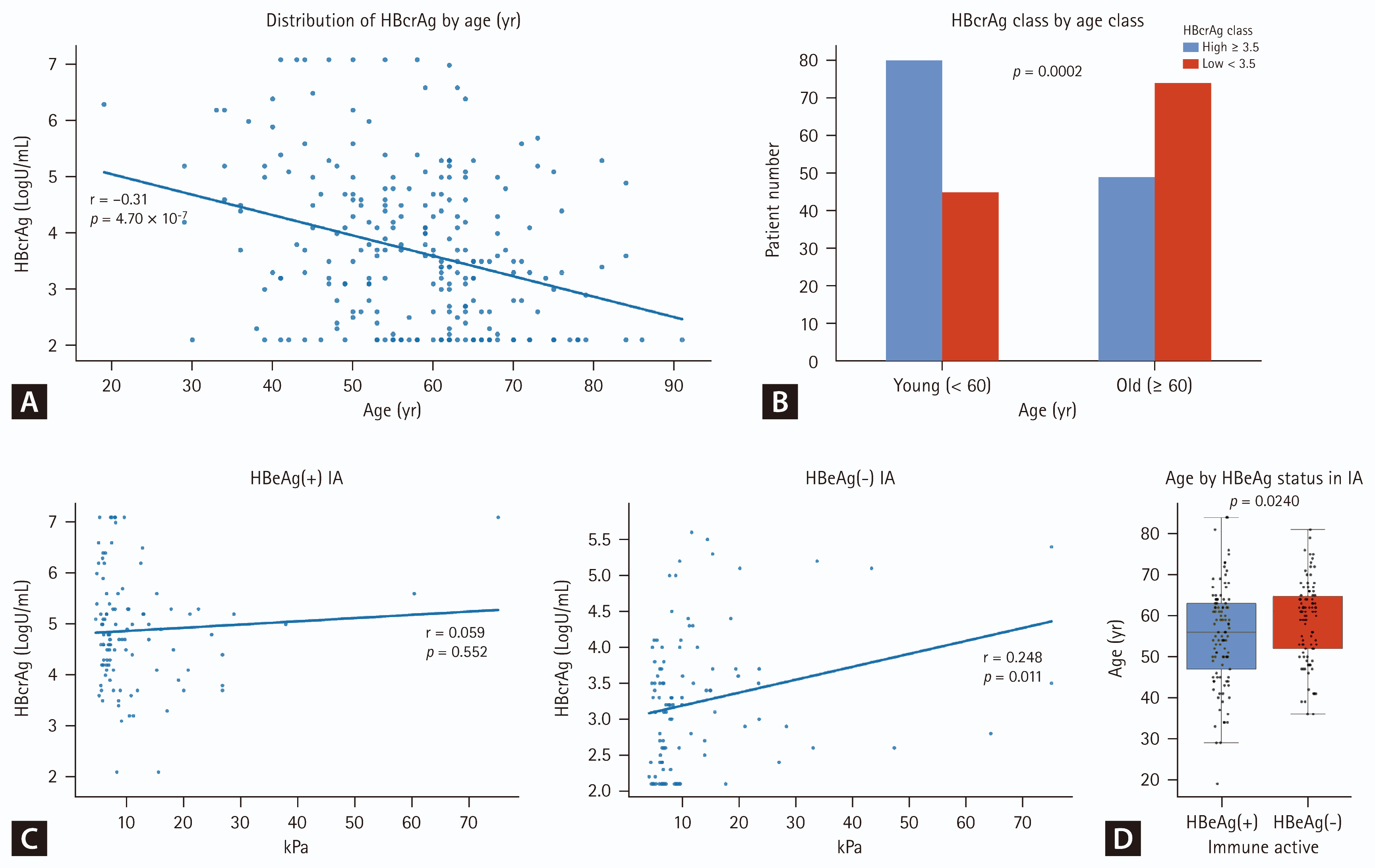
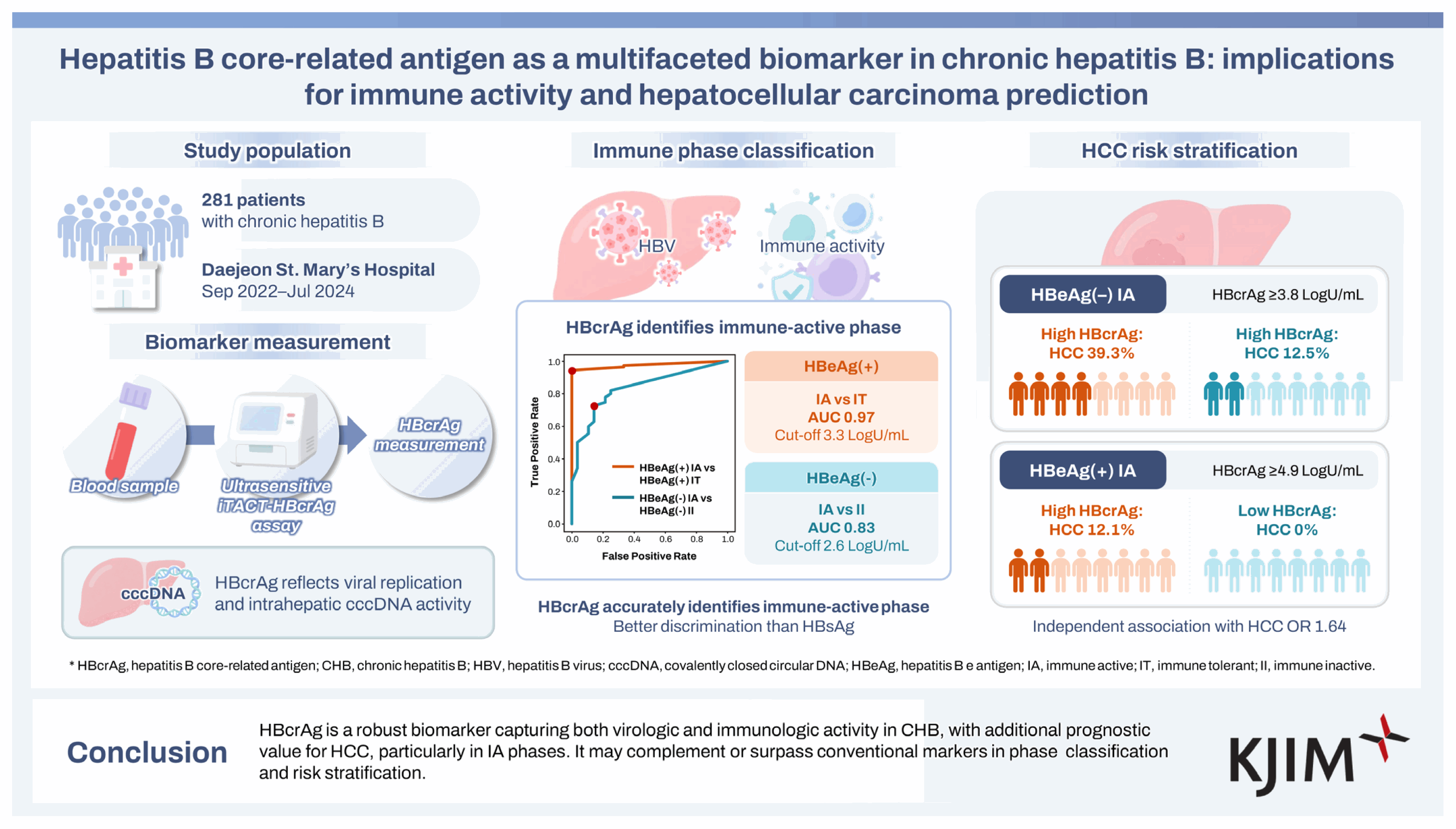
Table 1
| Variable | Total (n = 281) | Antiviral naïve (n = 68, 24.2%) | Antiviral treated (n = 213, 75.6%) | p value |
|---|---|---|---|---|
| Age (yr) | 60 (19–91) | 62 (30 – 91) | 60 (19 – 84) | 0.169 |
| Age < 60 yr | 134 (47.7) | 30 (42.6) | 104 (49.3) | |
| Male sex | 167 (59.4) | 40 (58.8) | 127 (59.6) | 1.000 |
| HBV immune phases | < 0.001 | |||
| HBeAg(+) IA | 112 (39.9) | 3 (4.4) | 109 (51.2) | |
| HBeAg(+) IT | 3 (1.1) | 3 (4.4) | 0 (0) | |
| HBeAg(−) IA | 115 (40.9) | 16 (23.5) | 99 (46.5) | |
| HBeAg(−) II | 33 (11.7) | 33 (48.6) | 0 (0) | |
| HBsAg loss | 18 (6.4) | 13 (19.1) | 5 (2.3) | |
| PLT (109/L) | 185 (0.14–382) | 198.5 (85–382) | 181 (0.14–359) | 0.005 |
| ALT (U/L) | 20 (6–147) | 18 (8–97) | 21 (6–147) | 0.135 |
| TB (mg/dL) | 0.6 (0.2–5.4) | 0.6 (0.3–2.6) | 0.7 (0.2–5.4) | 0.552 |
| ALB (g/dL) | 4.5 (2.6–5.1) | 4.6 (3.41–5.0) | 4.5 (2.6–5.1) | 0.470 |
| AFP (ng/mL) | 2.53 [1.70–3.95] | 2.33 [1.61–3.87] | 2.63 [1.77–4.03] | 0.364 |
| HBsAg (log10S/CO) | 2.82 (−1.40 to 4.46) | 1.95 (−1.40 to 4.14) | 2.94 (−1.40 to 4.46) | < 0.001 |
| HBcrAg (LogU/mL) | 3.5 (2.1–7.1) | 2.1 (2.1–7.1) | 4.1 (2.1–7.1) | < 0.001 |
| HBV DNAa) (log10copies/mL) | 3.07 ± 1.48 | |||
| ≥ 100,000 (copies/mL) | 12 (4.3) | |||
| < 10,000 (copies/mL) | 251 (89.3) | |||
| Stiffness (kPA) | 7.90 [6.20–11.83] | 7.10 [6.00–9.5] | 8.10 [6.38–13.12] | 0.068 |
| LC | < 0.001 | |||
| Yes | 111 (39.5) | 13 (19.1) | 98 (46.0) | |
| No | 170 (60.5) | 55 (80.9) | 115 (54.0) | |
| HCC | 0.198 | |||
| Yes | 33 (11.7) | 5 (7.4) | 28 (13.1) | |
| No | 248 (88.3) | 63 (92.6) | 185 (86.9) |
Values are presented as median (range), number (%), median [interquartile range], or mean ± standard deviation.
HBcrAg, hepatitis B core-related antigen; HBV, hepatitis B virus; HBeAg, hepatitis B e-antigen; IA, immune active; IT, immune tolerant; II, immune inactive; HBsAg, hepatitis B surface antigen; PLT, platelet count; ALT, alanine aminotransferase; TB, total bilirubin; ALB, albumin; AFP, alpha-fetoprotein; kPa, kilopascals; LC, liver cirrhosis; HCC, hepatocellular carcinoma.
Table 2
Table 3
- References
- References
REFERENCES
2. Jang JW, Choi JY, Kim YS, et al. Long-term effect of antiviral therapy on disease course after decompensation in patients with hepatitis B virus-related cirrhosis. Hepatology 2015;61:1809–1820.
[Article] [PubMed]3. Wu X, Xu X, Zhou J, et al. Hepatocellular carcinoma prediction model performance decreases with long-term antiviral therapy in chronic hepatitis B patients. Clin Mol Hepatol 2023;29:747–762.
[Article] [PubMed] [PMC]4. Wong GL, Chan HL, Mak CW, et al. Entecavir treatment reduces hepatic events and deaths in chronic hepatitis B patients with liver cirrhosis. Hepatology 2013;58:1537–1547.
[Article] [PubMed]5. Nguyen MH, Yang HI, Le A, et al. Reduced incidence of hepatocellular carcinoma in cirrhotic and noncirrhotic patients with chronic hepatitis B treated with tenofovir-a propensity score-matched study. J Infect Dis 2019;219:10–18.
[Article] [PubMed]6. Polaris Observatory Collaborators. Global prevalence, treatment, and prevention of hepatitis B virus infection in 2016: a modelling study. Lancet Gastroenterol Hepatol 2018;3:383–403.
[PubMed]7. Lai CL, Wong D, Ip P, et al. Reduction of covalently closed circular DNA with long-term nucleos(t)ide analogue treatment in chronic hepatitis B. J Hepatol 2017;66:275–281.
[Article] [PubMed]8. Wu D, Kao JH, Piratvisuth T, et al. Update on the treatment navigation for functional cure of chronic hepatitis B: expert consensus 2.0. Clin Mol Hepatol 2025;31(Suppl):S134–S164.
[Article] [PubMed] [PMC]9. Cai D, Nie H, Yan R, Guo JT, Block TM, Guo H. A southern blot assay for detection of hepatitis B virus covalently closed circular DNA from cell cultures. Methods Mol Biol 2013;1030:151–161.
[Article] [PubMed] [PMC]10. Kimura T, Rokuhara A, Sakamoto Y, et al. Sensitive enzyme immunoassay for hepatitis B virus core-related antigens and their correlation to virus load. J Clin Microbiol 2002;40:439–445.
[Article] [PubMed] [PMC]11. Hosaka T, Suzuki F, Kobayashi M, et al. Ultrasensitive assay for hepatitis B core-related antigen predicts hepatocellular carcinoma incidences during entecavir. Hepatol Commun 2022;6:36–49.
[Article] [PubMed] [PMC]12. Lam YF, Seto WK, Wong D, et al. Seven-year treatment outcome of entecavir in a real-world cohort: effects on clinical parameters, HBsAg and HBcrAg levels. Clin Transl Gastroenterol 2017;8:e125.
[Article] [PubMed] [PMC]13. Testoni B, Lebossé F, Scholtes C, et al. Serum hepatitis B core-related antigen (HBcrAg) correlates with covalently closed circular DNA transcriptional activity in chronic hepatitis B patients. J Hepatol 2019;70:615–625.
[Article] [PubMed]14. Wong DK, Seto WK, Cheung KS, et al. Hepatitis B virus core-related antigen as a surrogate marker for covalently closed circular DNA. Liver Int 2017;37:995–1001.
[Article] [PubMed]15. Ma H, Yang RF, Li XH, Jin Q, Wei L. HBcrAg identifies patients failing to achieve HBeAg seroconversion treated with pegylated interferon alfa-2b. Chin Med J (Engl) 2016;129:2212–2219.
[Article] [PubMed] [PMC]16. Wang B, Carey I, Bruce M, Montague S, Dusheiko G, Agarwal K. HBsAg and HBcrAg as predictors of HBeAg seroconversion in HBeAg-positive patients treated with nucleos(t)ide analogues. J Viral Hepat 2018;25:886–893.
[Article] [PubMed]17. Chen EQ, Feng S, Wang ML, et al. Serum hepatitis B core-related antigen is a satisfactory surrogate marker of intrahepatic covalently closed circular DNA in chronic hepatitis B. Sci Rep 2017;7:173.
[Article] [PubMed] [PMC]18. Tsai YN, Wu JL, Tseng CH, et al. Hepatitis B core-related antigen dynamics and risk of subsequent clinical relapses after nucleos(t)ide analog cessation. Clin Mol Hepatol 2024;30:98–108.
[Article] [PubMed] [PMC]19. Liu J, Zhang X, Lin J, et al. HBcrAg is associated with prognosis of hepatitis B virus-related hepatocellular carcinoma in patients after hepatectomy undergoing antiviral therapy. Int J Cancer 2025;156:1293–1303.
[PubMed]20. Teng W, Chang TT, Yang HI, et al. Risk scores to predict HCC and the benefits of antiviral therapy for CHB patients in gray zone of treatment guidelines. Hepatol Int 2021;15:1421–1430.
[Article] [PubMed]21. Lin CL, Kao JH. Development of hepatocellular carcinoma in treated and untreated patients with chronic hepatitis B virus infection. Clin Mol Hepatol 2023;29:605–622.
[Article] [PubMed] [PMC]22. Hosaka T, Suzuki F, Kobayashi M, et al. Impact of hepatitis B core-related antigen on the incidence of hepatocellular carcinoma in patients treated with nucleos(t)ide analogues. Aliment Pharmacol Ther 2019;49:457–471.
[Article] [PubMed]23. Cheung KS, Seto WK, Wong DK, Lai CL, Yuen MF. Relationship between HBsAg, HBcrAg and hepatocellular carcinoma in patients with undetectable HBV DNA under nucleos(t)ide therapy. J Viral Hepat 2017;24:654–661.
[PubMed]24. Tseng TC, Hosaka T, Liu CJ, et al. Hepatitis B core-related antigen stratifies the risk of liver cancer in HBeAg-negative patients with indeterminate phase. Am J Gastroenterol 2022;117:748–757.
[Article] [PubMed]25. Wu Y, Ling X, Yu G, et al. The efficacy of HBsAg detection using electro-chemiluminescence immunoassay for blood donor screening in China. Ann Blood 2019;4:30.
[Article]26. Erken R, Zaaijer HL, Willemse SB, et al. Hepatitis B core related antigen in relation to intrahepatic and circulating viral markers, before and after combination therapy. Ann Hepatol 2021;26:100540.
[Article] [PubMed]27. Korean Association for the Study of the Liver (KASL). KASL clinical practice guidelines for management of chronic hepatitis B. Clin Mol Hepatol 2022;28:276–331.
[Article] [PubMed] [PMC]28. Tanaka Y, Takagi K, Hiramatsu K, et al. Fundamental and clinical evaluation of hepatitis B virus core-related antigen assay by LUMIPULSE f. Rinsho Byori 2006;54:692–698.
[PubMed]29. Suzuki F, Hosaka T, Imaizumi M, et al. Potential of ultra-highly sensitive immunoassays for hepatitis B surface and core-related antigens in patients with or without development of hepatocellular carcinoma after hepatitis B surface antigen seroclearance. Hepatol Res 2021;51:426–435.
[Article] [PubMed]30. Tseng TC, Hosaka T, Liu CJ, et al. HBcrAg-based risk score performs better than the HBV DNA-based scores for HCC prediction in grey zone patients who are HBeAg-negative. JHEP Rep 2024;6:100956.
[Article] [PubMed] [PMC]31. Tseng TC, Lok AS. Accurate identification and risk-stratification of HBeAg-negative indeterminate phase of chronic hepatitis B: not all shades of grey are the same. Hepatology 2026;83:14–16.
[Article] [PubMed]32. Aliabadi E, Urbanek-Quaing M, Maasoumy B, et al. Impact of HBsAg and HBcrAg levels on phenotype and function of HBV-specific T cells in patients with chronic hepatitis B virus infection. Gut 2022;71:2300–2312.
[Article] [PubMed] [PMC]33. Zhang C, Li J, Cheng Y, et al. Single-cell RNA sequencing reveals intrahepatic and peripheral immune characteristics related to disease phases in HBV-infected patients. Gut 2023;72:153–167.
[Article] [PubMed] [PMC]34. Chang KC, Lin MT, Wang JH, et al. HBcrAg predicts hepatocellular carcinoma development in chronic B hepatitis related liver cirrhosis patients undergoing long-term effective anti-viral. Viruses 2022;14:2671.
[Article] [PubMed] [PMC]35. Bianca C, Sidhartha E, Tiribelli C, El-Khobar KE, Sukowati CHC. Role of hepatitis B virus in development of hepatocellular carcinoma: focus on covalently closed circular DNA. World J Hepatol 2022;14:866–884.
[Article] [PubMed] [PMC]36. Levrero M, Zucman-Rossi J. Mechanisms of HBV-induced hepatocellular carcinoma. J Hepatol 2016;64(1 Suppl):S84–S101.
[Article] [PubMed] [PMC]37. Arbuthnot P, Kew M. Hepatitis B virus and hepatocellular carcinoma. Int J Exp Pathol 2001;82:77–100.
[Article] [PubMed] [PMC]38. Ren J, Cheng S, Ren F, et al. Epigenetic regulation and its therapeutic potential in hepatitis B virus covalently closed circular DNA. Genes Dis 2025;12:101215.
[Article] [PubMed] [PMC]39. Vecchi A, Rossi M, Tiezzi C, et al. HBcrAg values may predict virological and immunological responses to pegIFN-α in NUC-suppressed HBeAg-negative chronic hepatitis B. Gut 2024;73:1737–1748.
[Article] [PubMed] [PMC]40. Feitelson MA, Arzumanyan A, Spector I, Medhat A. Hepatitis B x (HBx) as a component of a functional cure for chronic hepatitis B. Biomedicines 2022;10:2210.
[Article] [PubMed] [PMC]41. Zaki MYW, Fathi AM, Samir S, et al. Innate and adaptive immunopathogeneses in viral hepatitis; crucial determinants of hepatocellular carcinoma. Cancers (Basel) 2022;14:1255.
[Article] [PubMed] [PMC]